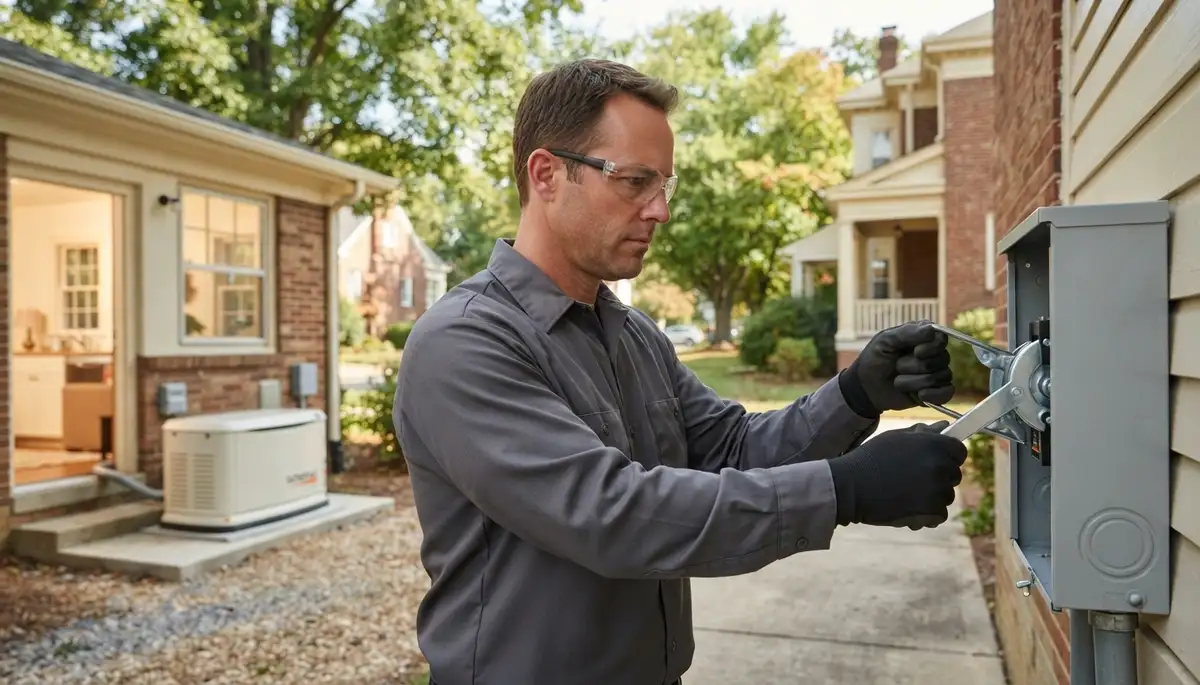
Generator Installation Sized to How Richmond Homes Were Wired
Generator Installation in Richmond starts with the panel already in the house, and a lot of these homes went up between the 1940s and the early 1960s, when 60 to 100 amp service was normal and central air, workshops, and whole-home backup were not part of the plan. Homeowners looking for an electrical contractor in Richmond usually find the panel is the first thing that has to change before a generator can connect safely. Local contractors offering professional electrical panel upgrade work alongside generator installation for exactly this reason.
A panel built for a smaller load cannot just take on a transfer switch and call it done. In a Richmond home with the panel in a basement or utility closet, running new circuits for backup power often means opening up wall or ceiling space to route wiring correctly, especially if the fuse box has never been touched. Putting this off means storms and outages find the gap first, and the cost of an emergency call is always higher than a scheduled one. Pairing the work with reliable electrical wiring inspection catches problems before the generator install exposes them.
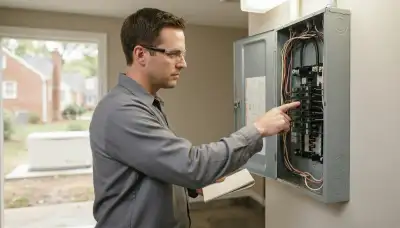
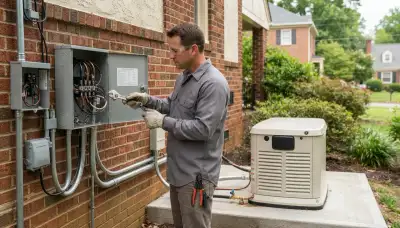
What Local Contractors Handle Alongside Generator Installation in Richmond
A generator rarely stands alone. These four services round out the electrical work that makes backup power dependable in a Richmond home.
Panel Upgrades for Backup Power
A panel from the 1950s or 1960s often has no room left for a transfer switch. Upgrading it first gives the generator a clean, correctly rated connection instead of a workaround.
Surge Protection for the Whole House
A generator brings power back suddenly, and that jolt can damage sensitive equipment if nothing is buffering it. Homeowners pair generator work with expert whole home surge protection to protect what the generator restores.
Circuit Additions for Real Household Use
Older Richmond homes were wired for far fewer appliances than they now carry. Adding dedicated circuits for the refrigerator, sump pump, and furnace means the generator only has to power what actually matters during an outage.
Outdoor and Detached Structure Wiring
Detached garages, workshops, and pool equipment often run on wiring added long after the house itself, and it ages differently. Local contractors offering quality outlet repair can bring these outdoor circuits up to a standard the generator can safely support.

How the Load on a Richmond Home Shifts Through the Year
The same house carries different demands as the seasons turn, and each one puts a different kind of pressure on the panel feeding the generator.
Spring Generator Installation Planning in Richmond, VA
Spring is the window to schedule panel work and transfer switch installation before storm season and summer cooling raise demand. Outdoor and pool circuits coming back online after winter are a good time to confirm the generator can carry them too.
Schedule Spring Generator Installation
Summer Generator Installation Demand in Richmond, VA
Months of air conditioning running on a panel sized before central air existed is when an undersized service stops hiding. Homeowners scheduling specialists in thermostat installation at the same time often find the generator conversation happens naturally alongside it.
Schedule Summer Generator Installation
Fall Generator Installation Timing in Richmond, VA
Fall is the handoff between cooling and heating, and the right moment to fix whatever summer's air conditioning load exposed before winter heating adds its own demand on top of it.
Schedule Fall Generator Installation
Winter Generator Installation Readiness in Richmond, VA
Winter stacks heating, holiday lighting, and space heaters onto circuits that were never built to carry all of it at once, and that is exactly when a house needs backup power it can count on.
Schedule Winter Generator Installation