Smoke Detector Installation Built Around How Richmond Homes Were Wired
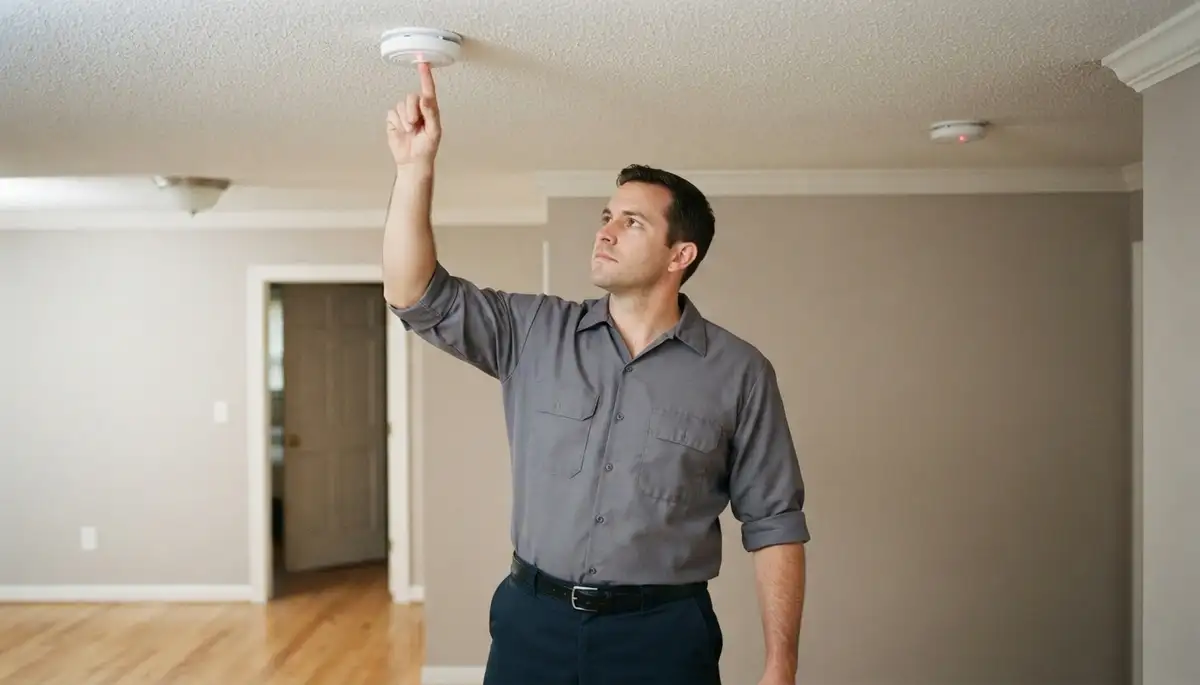
Smoke Detector Installation looks different depending on when a house went up, and a lot of Richmond homes were built in the 1940s through the early 1960s, back when a panel carried a fridge, a few lamps, and not much else. An electrical contractor in Richmond checks that panel before mounting a single detector, because the circuit feeding the hallway may not be the circuit anyone expects. Homeowners who want interconnected alarms often need professional electrical panel upgrade work done first.
In houses from this stretch of years, the panel is usually in the basement or a utility closet, and the wiring running to bedrooms and hallways was never planned for hardwired, interconnected smoke detectors pulling from a shared circuit. Adding detectors here can mean running new cable through finished ceilings, not just swapping a battery unit for a hardwired one. Skipping that step leaves a house with alarms that do not talk to each other, which means a fire in the basement may never trigger the alarm upstairs. Pairing the work with reliable fire alarm installation closes that gap in one visit.
Services Local Contractors Pair With Smoke Detector Installation Around Richmond
Smoke Detector Installation rarely happens alone in an older Richmond home. These four services come up in the same visit because they touch the same wiring and the same panel.
Electrical Panel Upgrade for Older Homes
A panel from the 1950s often has no open slots left for a dedicated smoke detector circuit. Upgrading it first gives every new device, including alarms, a circuit built to carry it safely.
Home Electrical Inspections Before Adding Detectors
Before hardwiring alarms through older walls, a full inspection shows where the wiring is aluminum, ungrounded, or simply too old to trust. Pairing it with expert home electrical inspections catches problems before they become a mid-project surprise.
GFCI Circuits Near Kitchens and Baths
Homeowners who notice outlets near sinks without test and reset buttons are usually looking at wiring installed before that protection was required, the same era where smoke detector wiring often needs updating too.
Whole Home Surge Protection for Connected Systems
Interconnected smoke detectors are electronics, and a power spike can take the whole system offline at once. Detached garages and older outdoor wiring add more exposure, which is why pairing it with quality whole home surge protection keeps the whole system reliable.

How the Right Season Changes Smoke Detector Installation Timing in Richmond
A house carries a different load every few months, and that changes when Smoke Detector Installation makes the most sense to schedule and how much work it involves.
Spring Smoke Detector Installation Timing in Richmond, VA
Spring is the window before cooling season adds demand to the panel, which makes it the easiest time to add circuits or run new wiring for interconnected detectors without competing with a busy summer schedule.
Schedule Spring Smoke Detector Installation
Summer Smoke Detector Installation Timing in Richmond, VA
A panel sized for a 1950s household now runs central air for months straight, and that steady draw is what finally reveals a circuit too tired to also carry a hardwired alarm system. Pairing detector work with specialists in electrical panel installation solves both at once.
Schedule Summer Smoke Detector Installation
Fall Smoke Detector Installation Timing in Richmond, VA
Fall is when cooling shuts off and heating starts pulling from the same circuits, making it the right moment to fix whatever summer exposed before winter adds another load on top.
Schedule Fall Smoke Detector Installation
Winter Smoke Detector Installation Timing in Richmond, VA
Winter stacks heaters, holiday lighting, and furnace demand onto circuits that were never built to carry all of it together, which is exactly when a house needs working, interconnected alarms the most.
Schedule Winter Smoke Detector Installation